

Choosing the right book marketing ideas can feel overwhelming when you're navigating hundreds of tactics and conflicting advice. The secret isn't finding more strategies, it's learning which ones actually work for your book and audience. This article provides a clear framework for evaluating marketing options, highlights proven tactics backed by real success stories, and shows you how to build a personalized campaign that drives results. You'll walk away with actionable criteria to judge any marketing idea and concrete strategies to launch your book with confidence.
Table of Contents
- Setting Criteria For Choosing Book Marketing Ideas
- Proven Book Marketing Ideas To Consider
- Comparing Book Marketing Tactics: A Practical Guide
- Choosing The Right Marketing Mix For Your Book
- Explore Featured Books And Publishing Support On Librida
Key takeaways
| Point | Details |
|---|---|
| Plan early for maximum impact | Starting promotion six months before launch builds momentum and primes retailer algorithms. |
| Target strategically, not broadly | Focus marketing efforts on channels where your exact readers already gather. |
| Combine consistency with authenticity | Sustainable tactics that reflect your genuine voice outperform expensive one-time campaigns. |
| Leverage social proof effectively | Reviews, testimonials, and reader photos reduce purchase hesitation and boost conversions. |
| Monitor and adapt your approach | Track engagement metrics and adjust your marketing mix based on what resonates. |
Setting criteria for choosing book marketing ideas
Before diving into specific tactics, you need a filter to separate effective strategies from time wasters. Effective book promotion campaigns combine consistency, authenticity, and strategic thinking, three pillars that determine whether a marketing idea will actually move the needle. Consistency means showing up regularly in front of your audience, not just during launch week. Authenticity ensures your promotional voice matches your author brand, building trust rather than skepticism. Strategic thinking involves planning campaigns in advance rather than reacting to whatever trend pops up on social media.
When evaluating any marketing idea, ask yourself these questions. Does this tactic help me reach readers who already love books like mine? Can I sustain this effort for months without burning out or draining my budget? Will this build long-term relationships with readers, or just create a temporary spike in visibility? Does this align with how I naturally communicate, or will it feel forced and inauthentic?
Cost effectiveness matters enormously for self-published authors working with limited budgets. The best marketing ideas deliver measurable results without requiring thousands of dollars upfront. Look for tactics that scale gradually, allowing you to test small before investing big. Avoid strategies that demand significant time investment with unclear payoff timelines.
Pro Tip: Create a simple scorecard rating each marketing idea on consistency (can you maintain it?), authenticity (does it fit your voice?), reach (does it connect with your readers?), and cost (is it sustainable?). Ideas scoring high across all four categories deserve your attention first.
Proven book marketing ideas to consider
Several marketing tactics consistently deliver results for authors across genres and budgets. Amazon keyword ads can be effective for targeting specific competitor books, allowing you to reach readers who already enjoy similar titles. Start with a small daily budget of five to ten dollars, targeting three to five competitor titles in your niche. Monitor click-through rates and adjust your keywords based on what converts. This approach puts your book directly in front of motivated buyers actively searching for their next read.
Social media contests can boost book discovery when structured to encourage genuine engagement rather than random entries. Ask participants to share what excites them about your book's premise or tag friends who love your genre. Offer signed copies, exclusive content, or early access to your next release as prizes. Contests work best when they spark conversations and build community, not just collect email addresses.
Newsletter swaps with authors in complementary genres expand your reach without spending a dime. Partner with two or three authors whose readers would enjoy your book but who aren't direct competitors. Each author features the others' books in their newsletter, exposing everyone to fresh audiences already primed to discover new titles. This tactic works because readers trust recommendations from authors they already follow.
Blog tours remain powerful for generating reviews and building credibility. Organize interviews, guest posts, and book features across ten to fifteen blogs in your genre over two to three weeks. Each stop creates fresh content, backlinks to your book page, and opportunities for readers to engage. Blog tours also provide shareable content for your own social channels, extending the campaign's reach.
Advance reader copy (ARC) reviews and pre-orders create crucial early momentum. Distribute ARCs to fifty to one hundred engaged readers two to three months before launch, requesting honest reviews on release day. Combine this with a pre-order campaign offering exclusive bonuses like deleted scenes, character interviews, or bonus chapters. Early reviews and pre-orders signal quality to both algorithms and browsing readers.

Pro Tip: Don't try every tactic at once. Choose two to three strategies that align with your strengths and audience, execute them consistently for three months, then evaluate results before adding new tactics.
Comparing book marketing tactics: a practical guide
Different marketing tactics serve different goals, timelines, and budgets. Understanding these distinctions helps you build a balanced campaign. Pre-orders, ARC reviews, and early buzz tell platforms to surface your title more often, making pre-launch efforts particularly valuable for algorithmic visibility. These tactics require two to six months of lead time but create compounding benefits as launch approaches.
| Tactic | Cost | Time to Impact | Best For | Effort Level |
|---|---|---|---|---|
| Amazon keyword ads | Low to medium | Immediate | Driving sales | Medium |
| Newsletter swaps | Free | 2-4 weeks | Audience growth | Low |
| Social media contests | Low | 1-2 weeks | Engagement | Medium |
| Blog tours | Free to low | 3-6 weeks | Reviews and credibility | High |
| ARC distribution | Low | 2-3 months | Launch momentum | Medium |
Testimonials and social proof dramatically impact conversion rates by reducing perceived risk for potential buyers. Display reader reviews prominently on your book page, share reader photos on social media, and highlight media mentions in your email signature. Authentic endorsements from real readers carry more weight than polished marketing copy because they demonstrate genuine appreciation from your target audience.
Align your tactic selection with specific goals. Building awareness requires different strategies than driving immediate sales or nurturing a loyal community. Awareness tactics like blog tours and social media presence cast a wider net, introducing your book to new audiences. Sales-focused tactics like targeted ads and limited-time promotions convert browsers into buyers. Community-building efforts like newsletter engagement and reader groups create long-term relationships that sustain your author career beyond a single book launch.
Pro Tip: Track one key metric for each tactic you implement. For ads, monitor cost per click. For newsletter swaps, track new subscriber growth. For contests, measure engagement rate. Clear metrics reveal what's working and what needs adjustment.
Choosing the right marketing mix for your book
Ali Kriegsman successfully launched her self-published thriller by planning the marketing campaign months in advance, demonstrating the power of strategic preparation over last-minute scrambling. Her approach centered on the PPP framework: Plan your campaign timeline and key milestones, Produce content and materials systematically, then Promote through coordinated channels. This structure prevents the chaos of reactive marketing and ensures every tactic builds on the previous one.
Start your marketing efforts at least six months before your planned launch date. Month one focuses on finalizing your book and identifying your target readers. Months two and three involve building your email list, creating promotional materials, and securing ARC readers. Months four and five concentrate on generating pre-orders, scheduling blog tour stops, and preparing social media content. Month six executes your launch campaign with coordinated releases across all channels.
Focus your energy on channels where your readers actually spend time. Romance readers congregate on BookTok and Bookstagram. Mystery and thriller fans engage actively in Facebook groups and Goodreads. Literary fiction readers follow book review blogs and literary magazines. Research where your genre's most passionate readers gather, then concentrate your efforts there rather than spreading yourself thin across every platform.
Monitor engagement metrics weekly and adapt based on what resonates. If your Instagram posts generate minimal interaction but your newsletter open rates exceed 40%, double down on email marketing. If certain ad keywords convert while others drain your budget, reallocate spending to winners. Marketing isn't set-it-and-forget-it; it requires ongoing attention and willingness to pivot when data reveals better opportunities.
Leverage relationships with other authors, book bloggers, and micro-influencers in your niche to amplify your reach. A genuine recommendation from a trusted source carries exponentially more weight than paid advertising. Invest time in building authentic connections within your genre community, offering value before asking for support. When launch time arrives, you'll have a network of allies ready to help spread the word because you've already demonstrated your commitment to the community.
Explore comprehensive resources on planning a book marketing campaign to deepen your strategic approach and refine your timeline. Understanding reader engagement strategies helps you create marketing that resonates rather than repels.
Explore featured books and publishing support on Librida
If you're ready to bring your book marketing ideas to life, Librida offers the tools and community to support your publishing journey. The platform showcases successful titles like The Lady and The Quill, demonstrating how authors transform manuscripts into polished, marketable books. Browse Notes from a Slightly Unstable Life and The Quill & The Courtesan to see diverse genres and styles thriving on the platform.
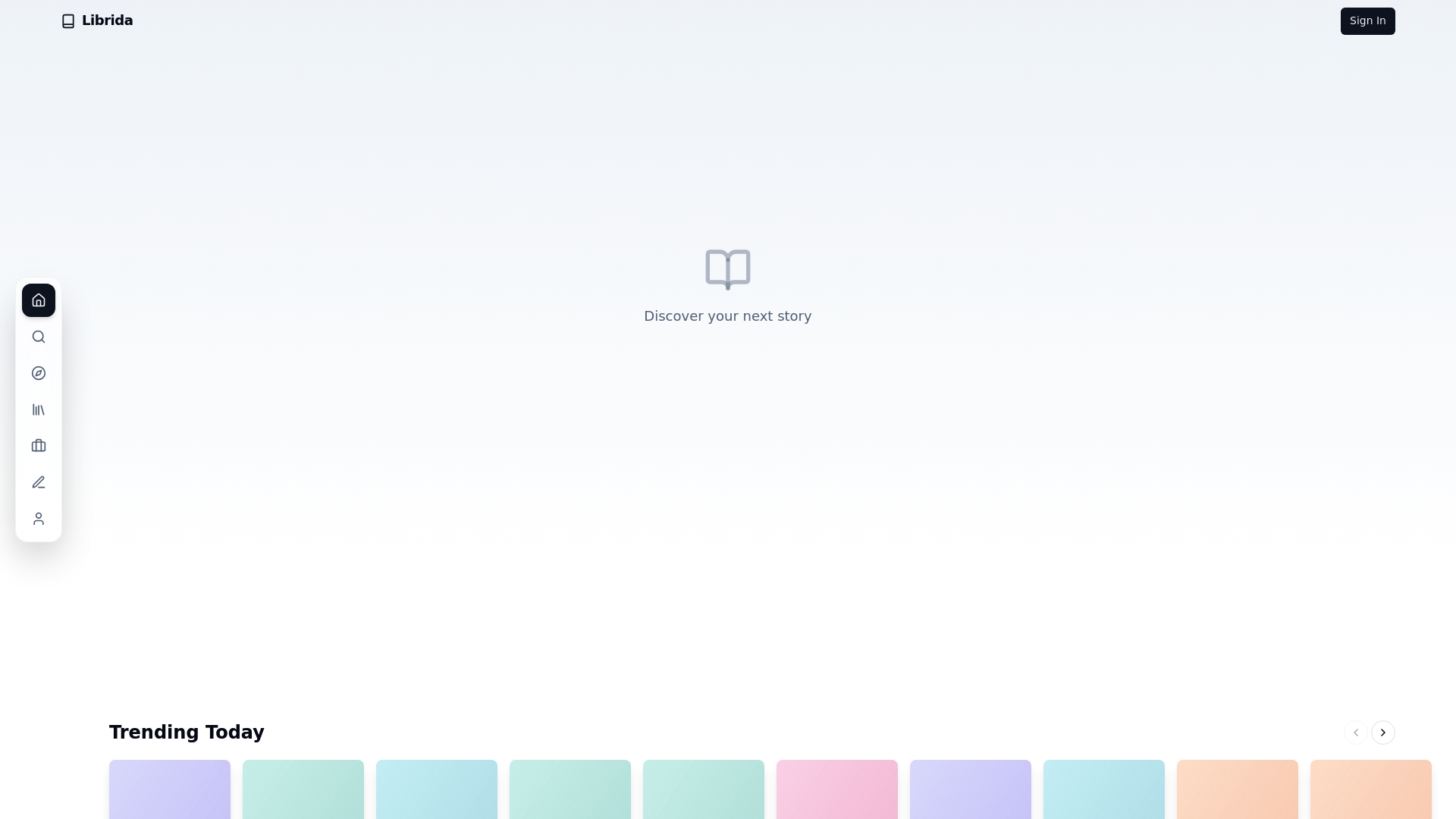
Librida's AI-powered publishing tools help you refine your manuscript, design professional covers, and prepare marketing materials that align with the strategies outlined in this article. The platform connects you with fellow authors navigating similar challenges, creating opportunities for newsletter swaps, cross-promotion, and shared learning. Whether you're launching your first book or your tenth, Librida provides the infrastructure to execute your marketing plan effectively while focusing your energy on writing and connecting with readers.
FAQ
What are some budget-friendly book marketing ideas?
The best book promotion starts with getting creative, not opening your wallet, making social media contests, newsletter swaps, and email list building ideal low-cost strategies. Focus on tactics that leverage your time and creativity rather than requiring significant financial investment. Building authentic relationships with readers and fellow authors costs nothing but delivers compounding returns as your network grows. Consistency and genuine engagement beat expensive advertising campaigns that lack personal connection.
How early should I start promoting my book?
Early promotion, starting six months before launch, can prime algorithms, build community, and win media opportunities that become unavailable closer to release date. This timeline allows you to distribute ARCs, generate pre-orders, and create buzz that signals quality to both platforms and readers. Retailers and algorithms favor books demonstrating early traction, making pre-launch efforts crucial for visibility. Rushed last-minute campaigns rarely achieve the same momentum as strategic, phased approaches.
What role does social proof play in book marketing?
Testimonials, media hits, and reader photos reduce risk for buyers and nudge browsers over the line by demonstrating that real people enjoyed your book. Social proof transforms skeptical browsers into confident buyers by providing third-party validation of your book's quality. Display reviews prominently on your sales page, share reader reactions on social media, and highlight endorsements in your promotional materials. Authentic testimonials carry more persuasive power than any marketing copy you could write yourself. Explore how authentic video testimonials can enhance your credibility even further.
How can I find the right readers for my book?
Clear positioning and targeted channels put your book where your exact readers already hang out, making niche identification essential for efficient marketing. Research where passionate readers in your genre congregate, whether that's specific Facebook groups, subreddit communities, or BookTok hashtags. Use targeted ads focusing on competitor titles and relevant keywords rather than broad demographic targeting. Partner with authors whose readers overlap with yours for cross-promotion opportunities that introduce your book to pre-qualified audiences already primed to enjoy your genre and style.
Recommended
- Librida — Create, Read, and Publish Books
- Librida — Create, Read, and Publish Books
- Librida — Create, Read, and Publish Books
- Librida — Create, Read, and Publish Books
- Mastering Digital Marketing for Startups in 2025 - Kadima
- 7 Growth Strategies for Creators to Build Sustainable Brands – Starfireblast